
Hamilton County Resident Lookup Records
Hamilton County has no authoritative all-resident database. A careful resident lookup compares a person to a dated record role. The Assessor ties a name to a parcel or situs record. The Register records instrument parties. Court systems index cases. Election and vital-record systems have their own rules. Historical directories and obituaries add context, but do not establish a present-day address.
| Record | What It Confirms | Where | Access |
|---|---|---|---|
| Assessor record | Parcel, situs, owner label, appraisal and sale fields | Hamilton County Assessor property search | Street, number, parcel, or owner query |
| Recorded instrument | Party role, date, legal-document trail, and book/page | Hamilton County Register of Deeds | Online account route, office, or specific request |
| Court index | A named case and court context | County courts or Chattanooga City Court | Portal and clerk verification route |
| Voter lookup | A constrained identity match or precinct route | Tennessee Voter Lookup | County, first name, last name, birth month, and birth year |
| Vital record | A recorded life event, subject to entitlement | Tennessee Vital Records and local custodians | Application, identification, proof, and historical routing rules |
Use the source that matches the question. A parcel question belongs with the Assessor. A document trail belongs with the Register. A case question belongs with the relevant clerk. A name match should remain a match until independent dates, locations, and roles agree.
Hamilton County Resident Lookup Name Controls
Begin with the spelling seen in a reliable record, then try a middle initial, a former spelling, and a short form only when the source permits it. Record the date, place, and role alongside the name. In a county with many repeated surnames, two matching signals are more useful than one: a middle initial plus a parcel, or a name plus a date and court role. Do not combine records merely because a name resembles another one.
The Hamilton County Election Commission route is shown in this capture.
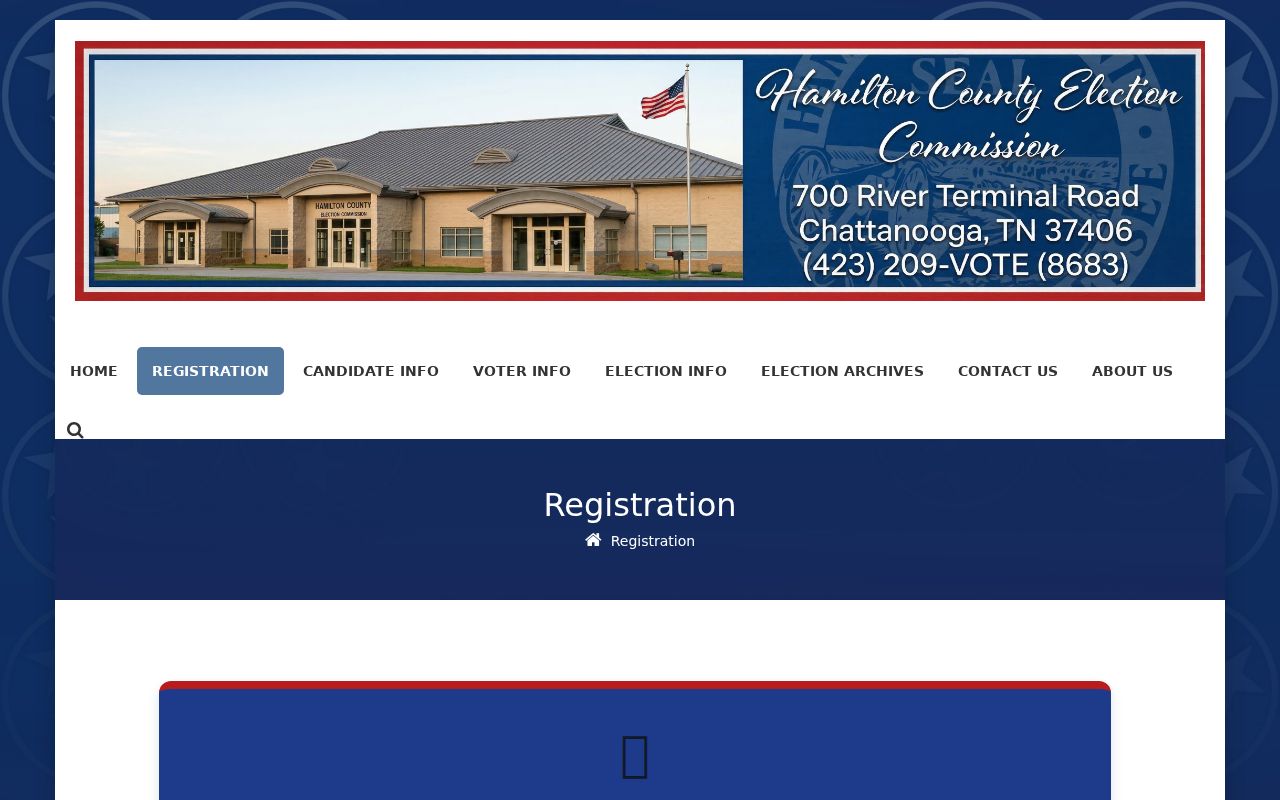
Registration and precinct resources are separate from an open address-by-household search.
The official Tennessee Voter Lookup capture shows the constrained statewide path.
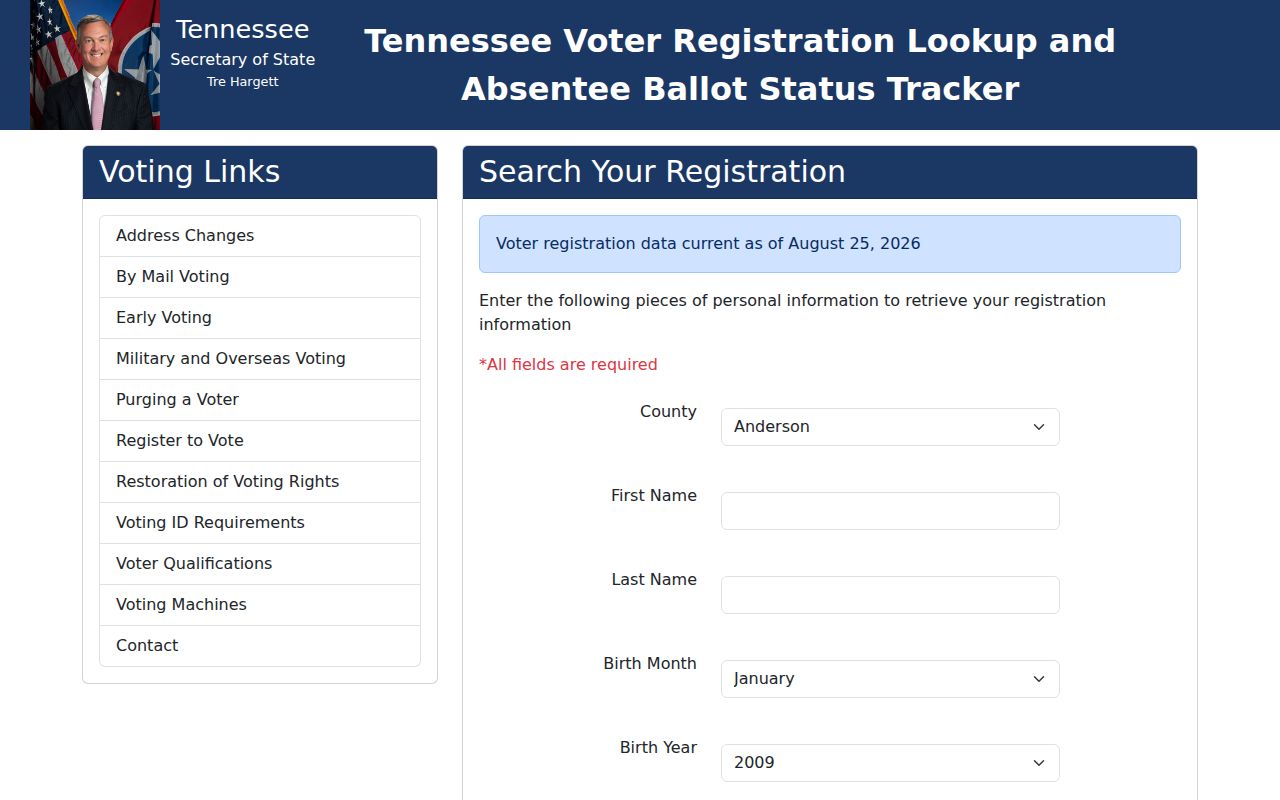
Its page reported data current as of August 25, 2026, and it requires county, first name, last name, birth month, and birth year. It does not provide a public address query.
Hamilton County Resident Lookup Court Routes
County court research must keep the court label attached to the result. Tennessee Case Finder routes Circuit and General Sessions Civil users through party name, file date, attorney name, and other modes. The Hamilton criminal portal visibly offers Last Name, First Name, and Middle Name. Chattanooga City Court is a separate municipal system, not a county Criminal Court record.
The Chattanooga City Court records page shows the municipal search choices.
Name, citation, docket, date of birth, driver-license, and similar-sounding-name controls are municipal search tools, not proof that two records concern the same person.
The Hamilton County criminal case portal is captured here with its visible name fields.
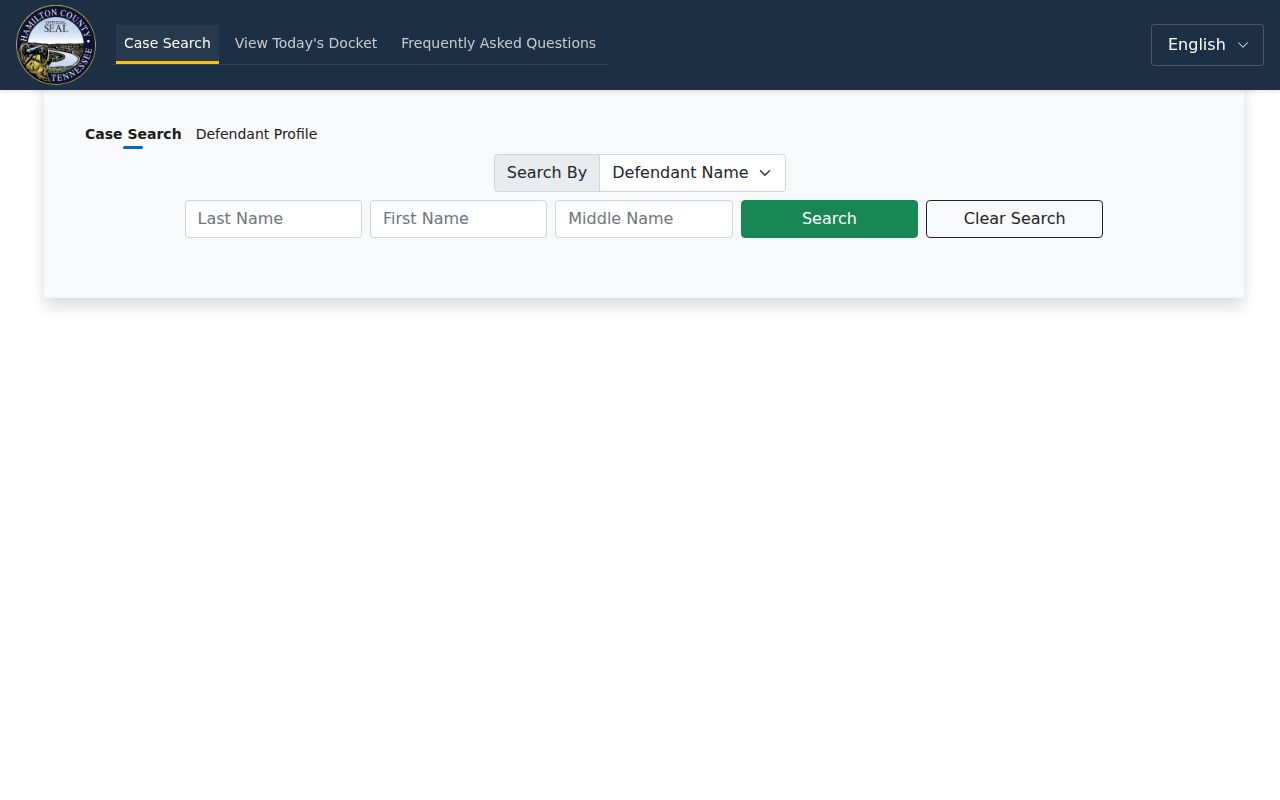
The inspection did not capture reliable result columns, so a search control should not be used to guess a charge, disposition, bond, party role, or date.
The county’s Tennessee Case Finder route provides the Circuit and General Sessions Civil path.
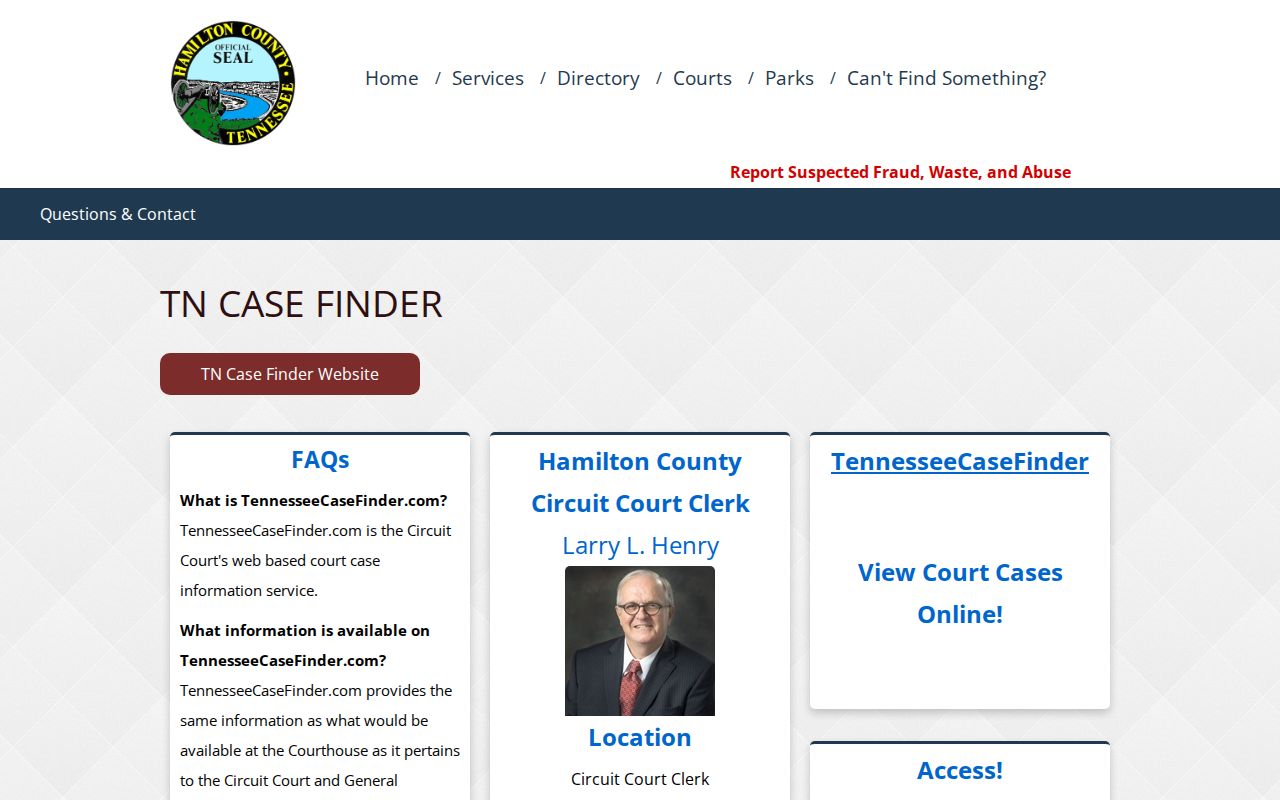
The court index is useful for locating a clerk-held record, while a certified document must come from the clerk.
Hamilton County Resident Lookup Identity Cautions
The Criminal Court disclaimer says its information is updated daily, yet it also warns that positive identification is impossible from a name alone and directs users to verify with the clerk. Keep filing, disposition, and conviction as distinct terms. A case index is not an identity document, and an event in a court file does not establish a current home location.
The Hamilton Criminal Court information disclaimer captures that verification warning.
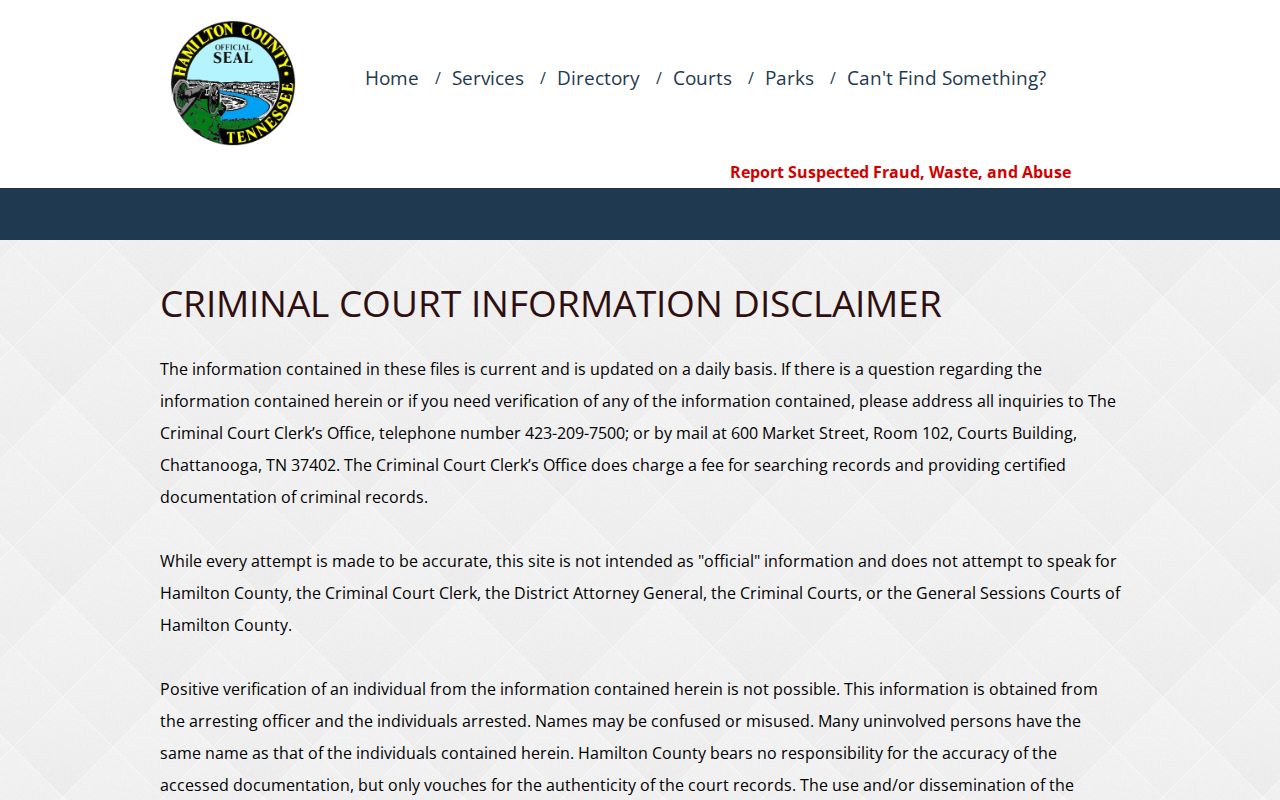
Clerk verification is the next step when the record type or the person’s identity matters.
Hamilton County Resident Lookup Result Inventory
A result inventory keeps a name search from turning into a loose collection of facts. The Assessor’s observed results have a specific vocabulary. Preserve labels exactly as displayed and do not relabel an owner, party, or historical directory entry as a confirmed occupant.
| Displayed field | How to read it |
|---|---|
| Parcel | County parcel identifier for the property record |
| Situs address | Mapped location in the Assessor result |
| Owner | Owner label in the tax and appraisal record |
| Year, value, and square footage | Appraisal record fields, not a title or occupancy finding |
| Sale date, sale price, and book/page | Recorded-sale clues that can point to a Register search |
For a name-first search, note the source URL, capture date, name spelling, record role, and any field that independently matches. That compact record is more dependable than a claim that a person has been found.
Hamilton County Resident Lookup State Sources
State systems can answer narrow questions, but each one has a different scope. A record in a state criminal-history, custody, registry, or license tool must stay within that source’s warning and record type. Do not turn a no-result into proof that no event exists, or turn a state record into a present-address claim.
The TBI TORIS route is a Tennessee name-based check with its own limits.
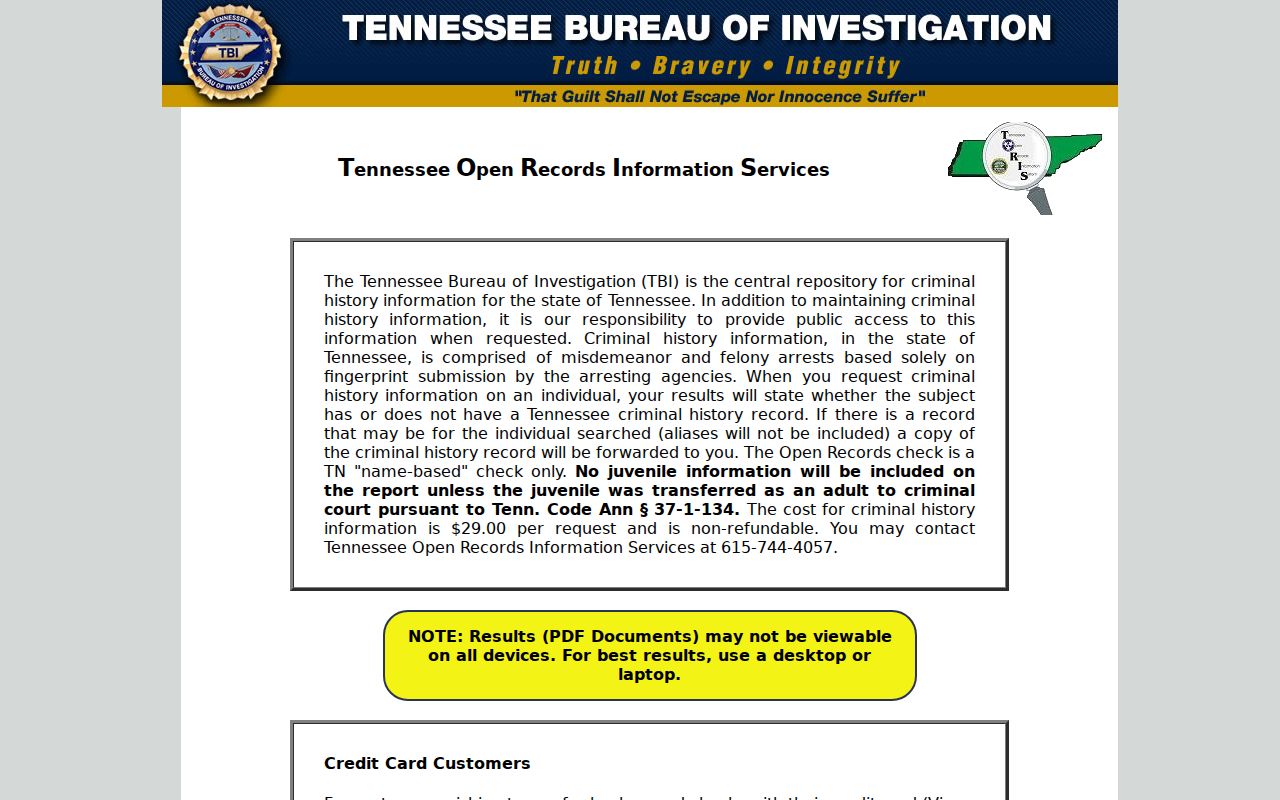
The research notes that this route does not include aliases and omits arrests without submitted fingerprints.
The TDOC offender locator offers name, TDOC ID, and State ID modes.
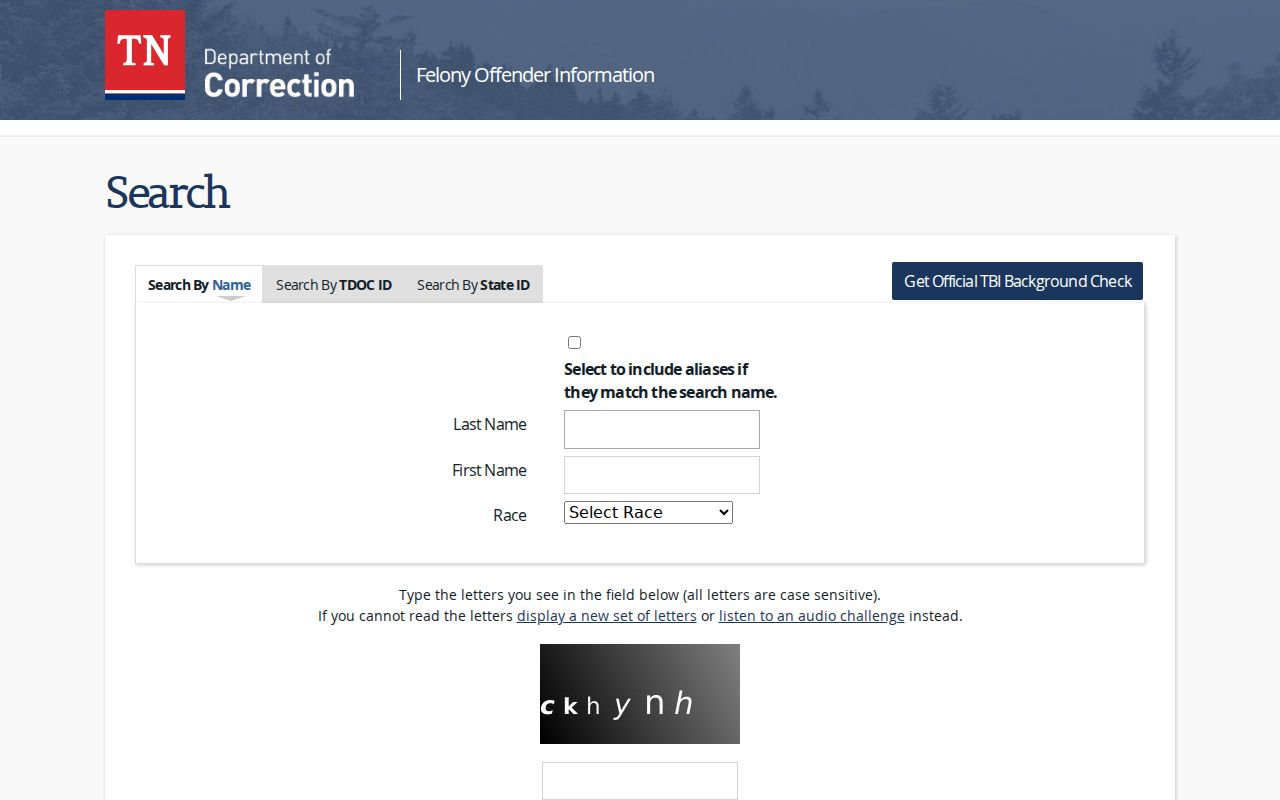
Its own disclaimer says the department does not warrant completeness or accuracy, so an agency check is needed when a source must be confirmed.
The TBI registry search includes source warnings against threats, intimidation, stalking, and harassment.
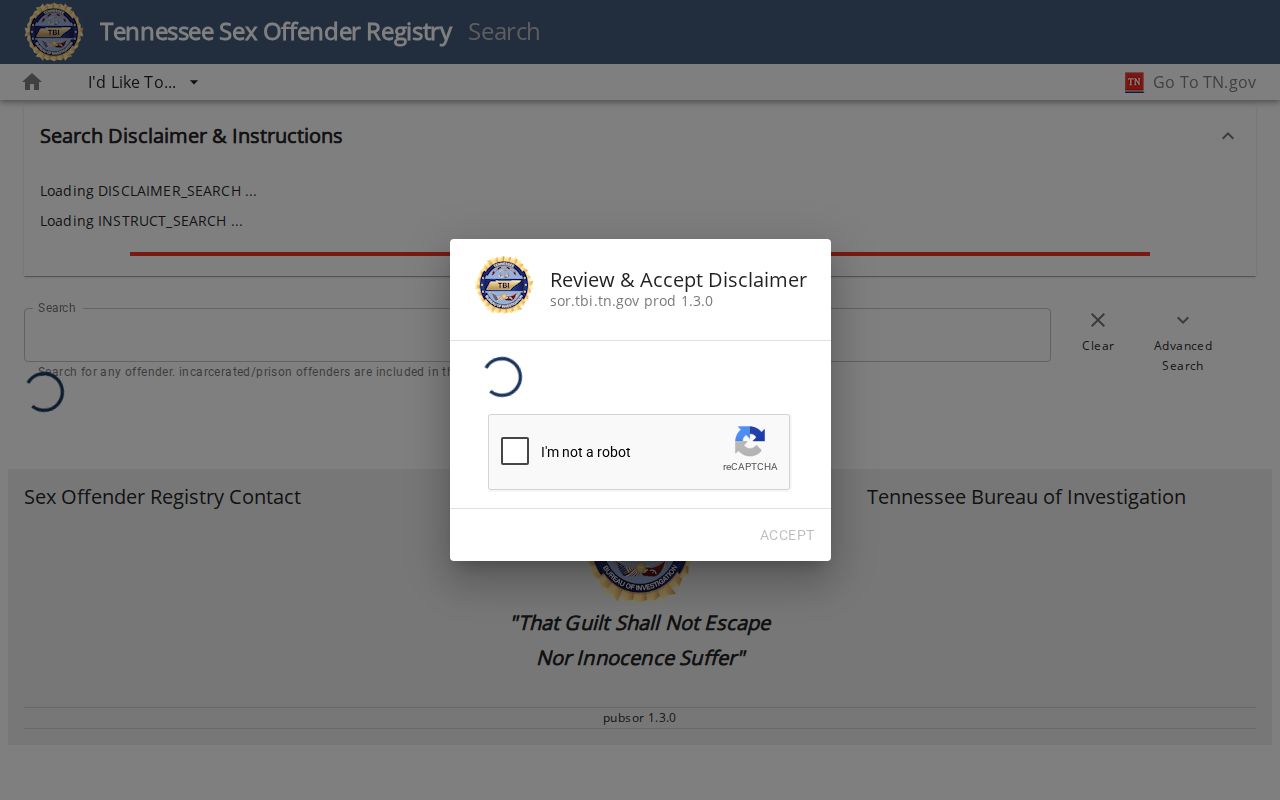
A registry result is a record from the registering agency, not an invitation to contact or watch a person.
The Hamilton County Sheriff inmate route shows last-name or SPN search options.
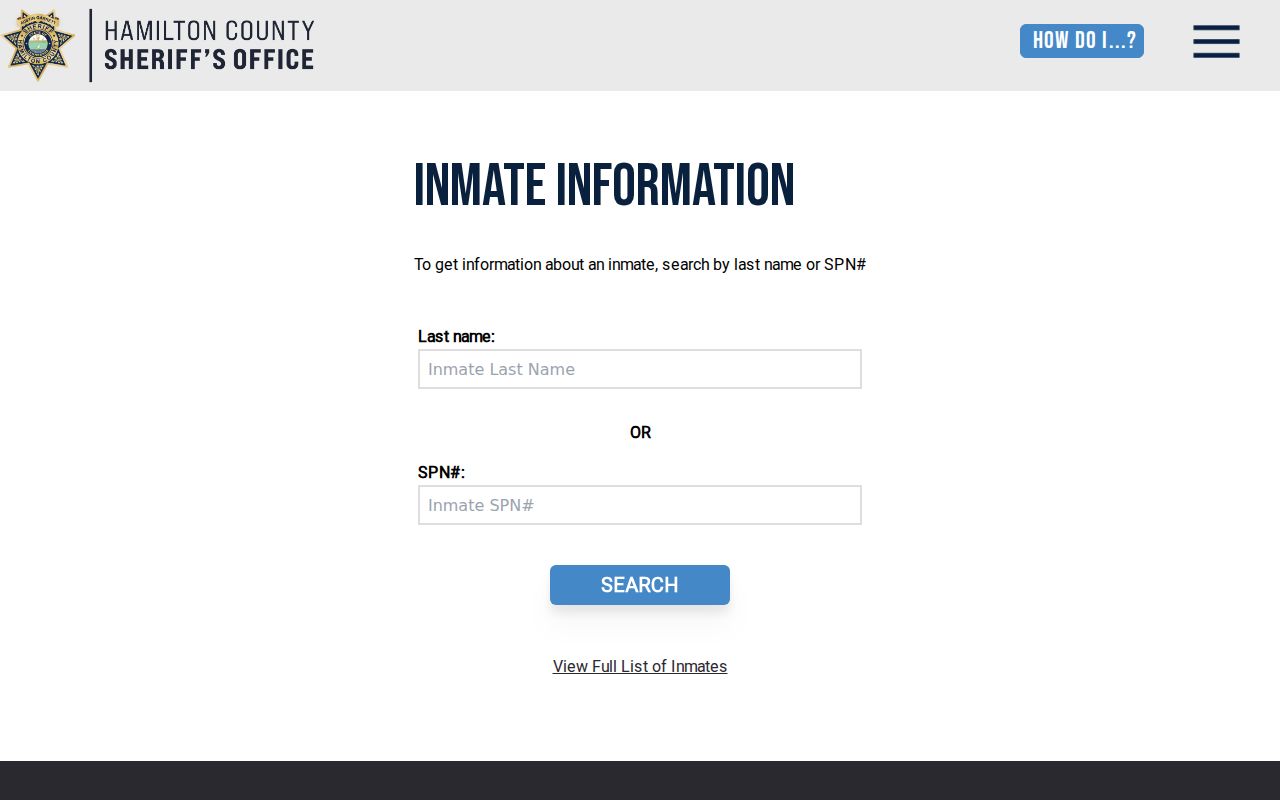
The live result fields and coverage were not captured, so their content should not be inferred from the form.
Hamilton County Resident Lookup Vital Boundaries
Vital records document life events, not a public list of living residents. Tennessee birth records remain in state or local registrar custody for 100 years. Death, marriage, and divorce routes have a general 50-year state-office boundary, with earlier material routed to a county or court clerk or to TSLA as applicable. Entitlement, identification, proof, and restricted fields still govern access.
The Tennessee Vital Records page is the starting point for the state and local issuance routes.
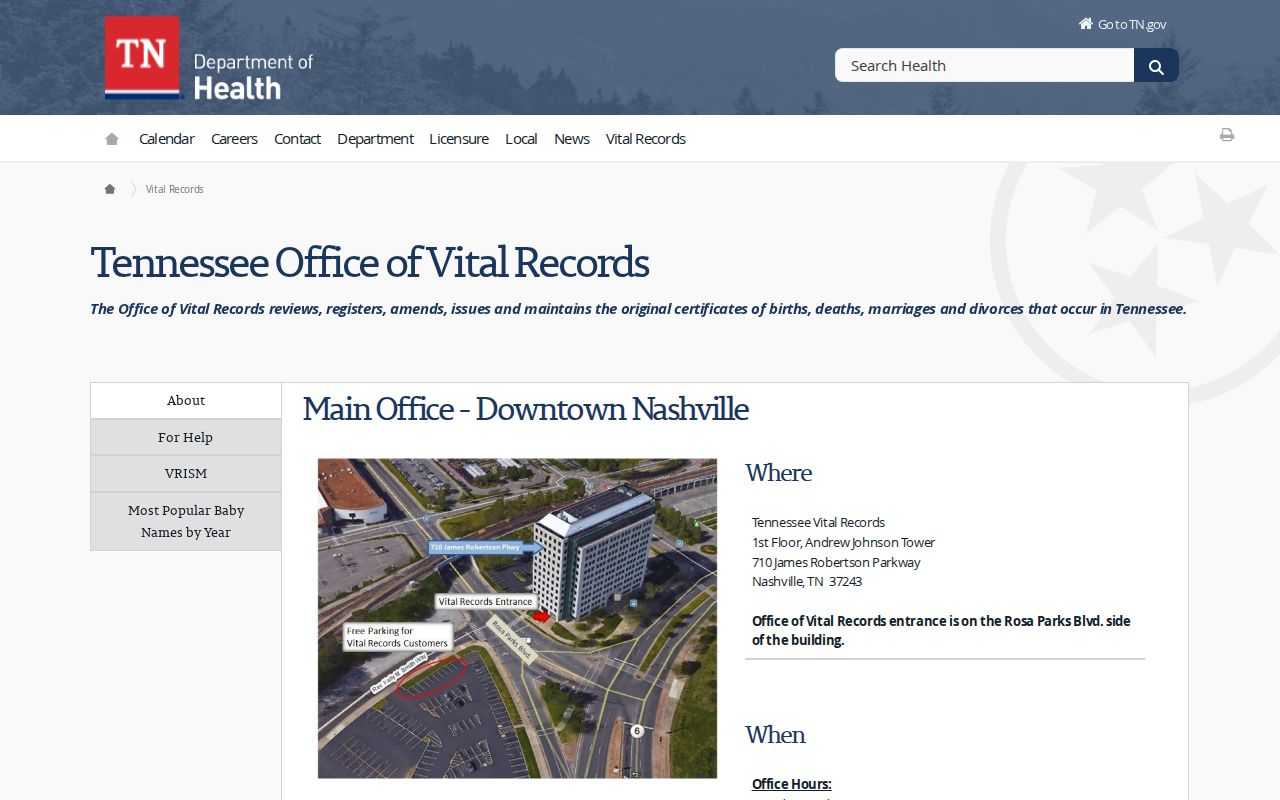
Hamilton County Clerk marriage search covers local licenses online from 1857 through August 3, 2021, while later records go through the Clerk. A certificate can be requested only through the custodian’s stated route.
Hamilton County Resident Lookup Role Boundaries
Tennessee business and credential lookups can confirm a filing, agent, organization, or credential role. They do not establish that a named person lives at a registered office or elsewhere in Hamilton County. Preserve the title, filing date, source, and status rather than extending the record beyond what it says.
The Tennessee license verification capture shows the state’s credential lookup entry point.
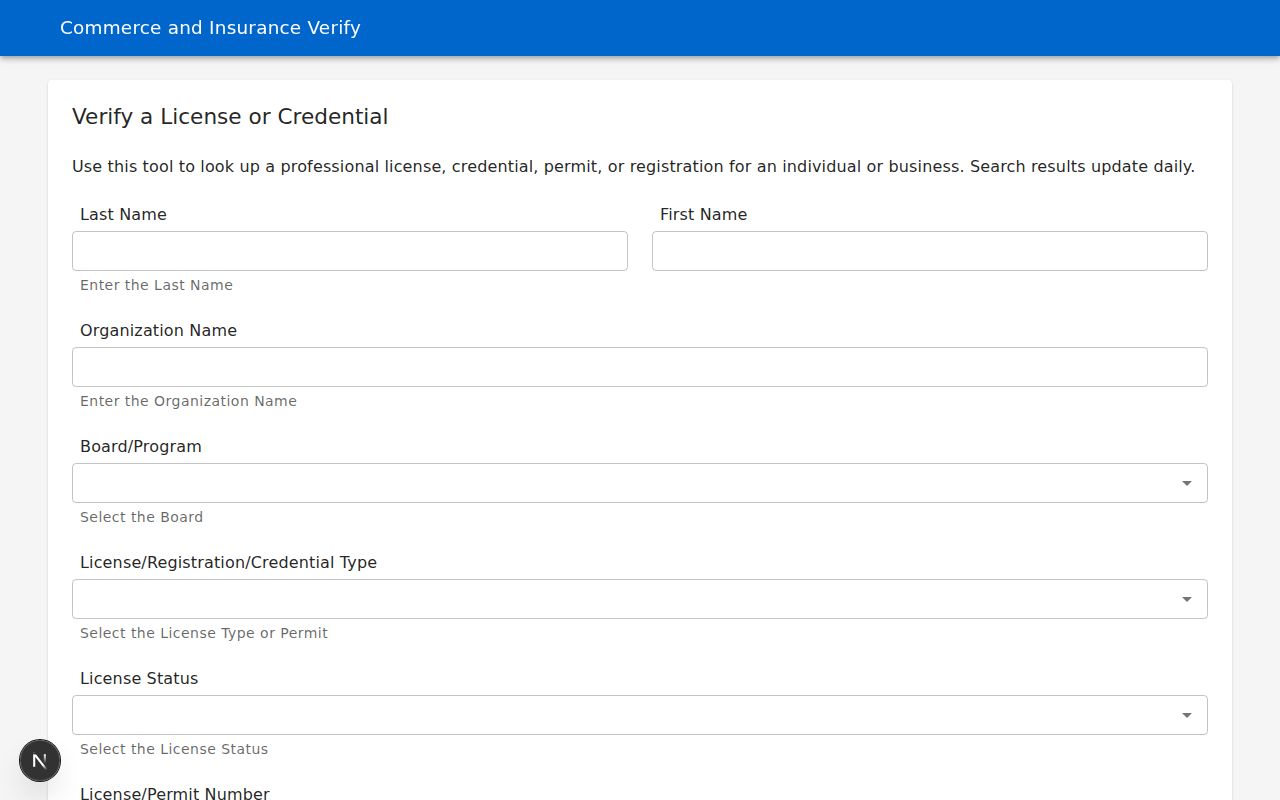
Its search routes include name, license type, number, city, and Tennessee county, but a credential result is not a home-address record.
Verifying Hamilton County Resident Records
Verification means testing a match against independent records, not collecting every possible result. If an address is known, use the Assessor for the parcel and situs, then use the Register book/page bridge for a dated instrument role. If only a name is known, compare a court or voter query with a date, place, and independently sourced role. For a historical question, Chattanooga Public Library and UTC collections can supply dated directory or obituary context.
- Write down the exact name spelling, source date, and the narrow question being asked.
- Use the Assessor or Register only for the parcel or instrument role it displays.
- Check a separate court, voter, library, or vital route when its access rule fits the question.
- Ask the responsible clerk or custodian for a certified copy when identity or the official document matters.
- Docket
- A court’s running case record or reference number, not proof that a name match is the right person.
- Index and image
- An index helps locate a record; an image is a copy of the recorded document. Access to each can differ.
- Certified copy
- A custodian-issued copy that carries the office’s certification, obtained through that office’s rules.
Note: A name match gains value only when its date, source, and record role agree with another independent record.
Hamilton County Resident Lookup Privacy Alerts
Tennessee Safe at Home gives eligible crime victims a substitute address and confidential voter treatment, subject to statutory exceptions. Its purpose is protection, not reverse lookup. Public research should retain only the fields needed, avoid sensitive identifiers, and send a correction or restriction request to the source custodian. A public record can be accessible without being safe to aggregate.
The Tennessee Safe at Home information route is represented in this capture.
A substitute address and confidential voter treatment must never be used to identify a participant’s residential location.
The Register Property Alert is voluntary, not retroactive, and requires separate enrollment for alternate spellings. It can help someone monitor a future index entry, but it is not a title opinion or a complete identity match.
Hamilton County Resident Lookup Limits
Tennessee’s Public Records Act provides an inspection and copy framework, yet custodians may withhold or redact exempt material and need not create a new record or answer an analytical question. A request should identify an existing record, permit a fee estimate or prepayment, and use the office policy. The Comptroller describes a seven-business-day framework for access, denial, or a time explanation.
Lawful use. Use Hamilton County records for personal, lawful research such as genealogy, an estate question, civic context, or your own records. Do not use any source to stalk, harass, intimidate, or harm anyone.